Join Our Online Kundalini Yoga Course

Human body is full of various kinds of energy. In yogic system we try to expand these energies first and open all the blocked channels so energy can flow without any obstacles and then control these energies to achieve the highest potential. The body’s energy flows through channels known as nadis, which are essential pathways for the movement of prana - life force energy. When these energy channels are pure, the body feels balanced and energized. However, blockages can occur due to stress, emotional buildup, or unhealthy habits, disrupting the smooth flow of energy. These blockages can make the body feel low, heavy or sluggish. The movement of energy through these channels is crucial for maintaining vitality, and practices like breathwork, yoga postures, and meditation help remove blockages, allowing energy to flow freely, restoring balance and improving well-being.

Contact Us

What is traditional Kundalini Yoga ?

In all humans there is a sleeping dormant force known as kundalini energy situated at the base of the spinal column. There is an infinite amount of energy within us and with the regular practice of Kundalini Yoga, one starts to get experiences of higher consciousness and awaken this energy. To do so, you must prepare yourself through regular yogic practices and techniques.

The awakening of kundalini is not something that happens overnight, as the body and mind needs a certain level of purification before the energy can ascend. Once it starts to ascend, it passes through each chakra and purifies the nadis (energy channels). When these energy channels get purified, kundalini-shakti awakens, communications between higher and lower dimensions of consciousness are established and what is considered the full awakening of Kundalini occurs.


Kundalini Yoga is the one of the most direct practices to prepare yourself for the rising of the kundalini energy. Traditional Kundalini Yoga consists of kriyas, which is the name for a combination of asana, pranayama, mudra, bandhas, and mantras. Each chakra has its own kriya to awaken and balance the energy of the chakra, and through the awakening of each chakra the body and mind becomes purified. Kundalini Yoga is one of the most potent forms of yoga that brings together all the traditions of yoga.

7 Days Online Traditional Kundalini Yoga Course

At Sri Yoga Ashram, a registered yoga school in Rishikesh; we conduct 7 days online level 1 & 7 days online level 2 Traditional Kundalini Yoga program. We are providing you an opportunity to learn Kundalini yoga without going anywhere from your home. Yes, we are offering an online Kundalini courses for yoga aspirants all over the world. You can complete the course in two parts. Seekers can attend the first 7 days online course and whenever you feel you want to go more deep in the practice you can attend our next 7 days kundalini yoga course.

About Kundalini Yoga Course

  1. All Classes Will Be Live Through Zoom
  2. Get Kundalini Yoga Book PDF
  3. 7 days course (Monday To Sunday)
  4. Total 10.5 hours (1.5 Hours everyday)
  5. A short, optional Q&A session conducted at the ending of each session
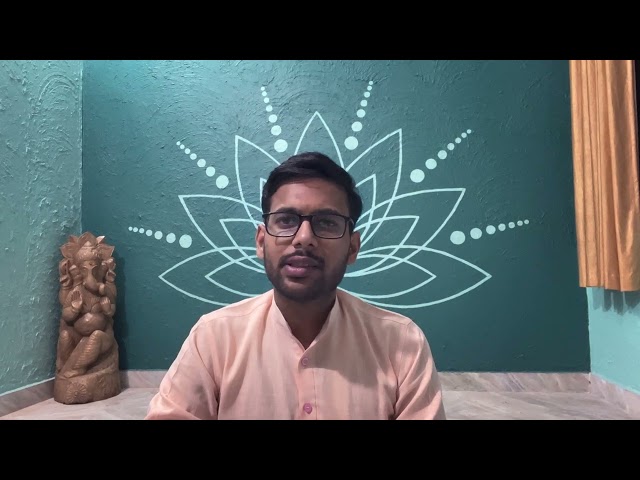
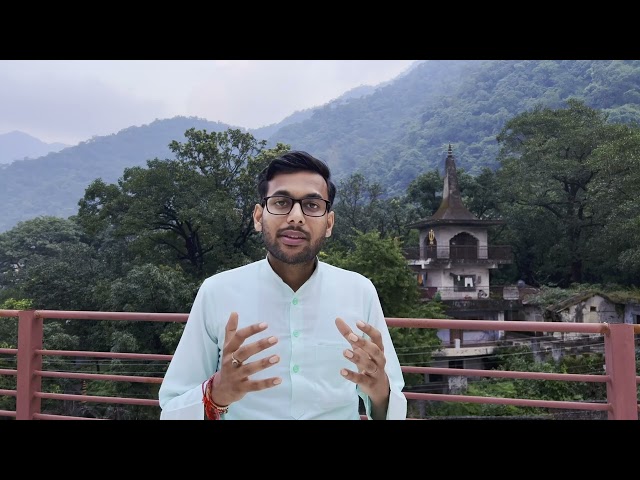
  6. Each session is taught personally by Yogi Arpit Agrawal who has done Bachelor's and Master's degree in Yoga and has more than 10+ years’ experience in teaching
  7. After completion of the courses successfully you will get a one-week Kundalini yoga, yoga alliance USA certificate

Kundalini Yoga Benefits

The divine practice of Kundalini Yoga comes up with lots of benefits. Some of these are:

  • Improved Mental Clarity: The practice enhances focus, mental clarity, and cognitive functioning, helping to remove mental fog and confusion.
  • Emotional Balance: Through meditation and breathwork, practitioners can manage emotions more effectively, reducing mood swings and improving emotional stability.
  • Awakens Consciousness: with the consistent long term practice of Kundalini yoga it is possible to awaken your kundalini energy, fostering spiritual growth and awareness.
  • Increased Intuition: As your awareness grows, so does your intuitive ability, helping you make better decisions and trust your inner guidance.
  • Connection to Higher Self: It facilitates a deeper connection with your true self, helping you align with your life’s purpose
  • Balance of Chakras: Kundalini yoga works on balancing and energizing the body’s chakras, leading to overall physical, mental, and emotional health.
  • Increased Self-Awareness: The practice helps you become more aware of your thoughts, habits, and behaviors, allowing for personal growth and transformation.

Online Kundalini Yoga Course Is Suitable For Those Who....

  1. Want to learn traditional Kundalini yoga from their home
  2. Want to learn external techniques to awareness of chakras and their functioning
  3. Want to balance all Nadis(energy channel)
  4. Want to balance the energy of the chakras
  5. Want to balance their lifestyle with holistic yoga techniques
  6. Wish to gain more knowledge
  7. May be already completed TTC and don’t want to repeat the same thing again
  8. Want to share their experience with the other kundalini yoga seekers

Kundalini Yoga Syllabus

Level 1 course syllabus

In the first level of the Kundalini yoga course, we will do the asanas practice with the help of pranayama, breath retention (kumbhaka) and the seed mantras of chakras. This will also prepare us for the next level of kundalini practice. The first level of kundalini combines yoga asana, pranayama, mudras, meditation, and mantras. The detailed syllabus is below: Kundalini yoga asanas

  1. What is kundalini and the procedures to balance the energy of chakras
  2. Asanas practices with mantra and color of chakra
  3. Asanas for balancing Mooladhar (Root) Chakra
  4. Asanas for balancing Swadhisthana (Sacral) Chakra
  5. Asanas for balancing Manipura (Navel) Chakra
  6. Asanas for balancing Anahata (Heart) Chakra
  7. Asanas for balancing Vishuddhi (Throat) Chakra
  8. Asanas for balancing Ajna (Third eye) Chakra
Pranayama for Kundalini Yoga

Pranayama is a breath exercises that increases the life force or energy of the practitioner, while purifying the nadis. With the help of pranayama, we bring the balance between Ida Nadi (Moon Energy) and Pingala Nadi (Sun Energy). This balance helps in the activation of Sushumna Nadi, a necessity for experiences of kundalini energy.

  1. Surya Bhedi Pranayama
  2. Chandra Bhedi Pranayama
  3. Bhastrika Pranayama
Kundalini meditation
  1. Chakra meditation with seed mantra and hastha mudra
  2. Meditation for Chakra Awareness
Mudra

Mudras are symbolic gestures of the hand and body. They are used to control or channelize the energy in the body. You will learn the following Hasta Mudras:

  1. Prithvi (Earth) Mudra
  2. Jala (Water) Mudra
  3. Agni (Fire) Mudra
  4. Vayu (Air) Mudra
  5. Aakash (Space) Mudra
  6. Gyan (Knowledge) Mudra
Mantra

Mantras are sacred or subtle sounds, vibrations, words, or sentences written by the yogis or sages in the Vedas or Upanishads. This helps to awaken the chakras and balance the mind. You will learn the following mantras:

  1. Seed mantras of each chakra
  2. Opening mantra: Maha Mrityunjaya Mantra
  3. Closing mantra: Shakti Mantra

Level 2 course syllabus

In the second level of the Kundalini yoga course, we will do the asanas practice with the help of pranayama, breath retention (kumbhaka), mudra, bandhas, and the seed mantras of chakras. In the detail find the syllabus below:

Kundalini yoga asanas
  1. What is Kundalini and procedure to balance the energy of chakras
  2. Asanas with the help of mudra and bandha
  3. Asanas practices with mantra and color of chakra
  4. Asanas for balancing Mooladhar (Root) Chakra
  5. Asanas for balancing Swadhisthana (Sacral) Chakra
  6. Asanas for balancing Manipura (Navel) Chakra
  7. Asanas for balancing Anahata (Heart) Chakra
  8. Asanas for balancing Vishuddhi (Throat) Chakra
  9. Asanas for balancing Ajna (Third eye) Chakra
Pranayama for Kundalini Yoga

Pranayama is a breath exercises that increases the life force or energy of the practitioner, while purifying the nadis. With the help of pranayama, we bring the balance between Ida Nadi (Moon Energy) and Pingala Nadi (Sun Energy). This balance helps in the activation of Sushumna Nadi, a necessity for experiences of kundalini energy.

  1. Ujjayi Pranayama
  2. Nadi Shodhana Pranayama
Kundalini meditation
  1. Chakra meditation with seed mantra and healing the body
  2. Meditation for Chakra Awareness
Mudra

Mudras are symbolic gestures of hand and body. They are used to control or channelize the energy in the body. You will learn the following mudras of hand and body:

  1. Prithvi (Earth) Mudra
  2. Jala (Water) Mudra
  3. Agni (Fire) Mudra
  4. Vayu (Air) Mudra
  5. Aakash (Space) Mudra
  6. Gyan (Knowledge) Mudra
  7. Shambhavi Mudra
  8. Nasikagra Mudra
  9. Vajroli/Sahajoli Mudra
  10. ...And more
Mantra

Mantras are sacred or subtle sounds, vibrations, words, or sentences written by the yogis or sages in the Vedas or Upanishads. This helps to awaken the chakras and balance the mind. You will learn the following mantras:

  1. Seed mantras of each chakra
  2. Opening mantra: Maha Mrityunjaya Mantra
  3. Closing mantra: Shakti Mantra

Course Fees

  1. Registration process - You can make online payment with the help of “Wise” (International Payment transfer app) in this account.
  2. Course Fees - 119 USD / Level
  3. Note - Fees will be non-refundable but can be transferred in any upcoming course offered by us.

  4. Name - Anahata creation
  5. Account No. - 1070102000012041
  6. IFSC - IBKL0001070
  7. Current account (Bussiness account)
  8. Recipient Address - - 165, behind police station, laxmanjula
  9. City - Rishikesh
  10. State - Uttarakhand
  11. Post code - 249302
  12. Email - arpitagarwal987@gmail.com
  13. If you need any help let me know

Chakras And Kundalini

Chakras are the nerve centers seen in our body. There are 72,000 Nadis (channels of metaphysical energy or life-force) in our body, and there are various nerve centers for these 72,000 Nadis. The human body actually has 108 nerve centers, but among those seven centers (Chakras) are of primary importance. And when energy (kundalini) or consciousness flows through these nerve centers, there are different emotions, feelings or sensations that one experiences.

  1. Root Chakra (Mooladhara): Located at the base of the spine, the Root Chakra is the foundation of our physical and emotional security. It governs our sense of stability, survival instincts, and connection to the earth. When balanced, we feel grounded, secure, and confident in meeting our basic needs. However, an imbalanced Root Chakra can lead to fear, anxiety, or insecurity.
  2. Sacral Chakra (Swadhisthana): Positioned two fingers above the root chakra, the Sacral Chakra is the center of creativity, pleasure, and emotional flow. It governs our relationships, sexuality, and the ability to experience joy and passion. When balanced, we feel inspired, emotionally open, and connected to our sensuality. An imbalanced Sacral Chakra may result in emotional instability, lack of creativity, or difficulty in enjoying life.
  3. Solar Plexus Chakra (Manipura): Located in the upper abdomen, the Solar Plexus Chakra is the seat of personal power, confidence, and self-discipline. It governs our willpower, self-esteem, and the ability to take action. When this chakra is balanced, we feel empowered, capable, and driven to achieve our goals. An imbalance in this chakra can manifest as low self-esteem, procrastination, or aggression.
  4. Heart Chakra (Anahata): Situated in the center of the chest, the Heart Chakra is the bridge between the physical and spiritual planes. It is associated with love, compassion, and empathy. A balanced Heart Chakra allows us to give and receive love freely, fostering forgiveness, emotional healing, and deep connections with others. When out of balance, we may experience grief, jealousy, or difficulty in relationships.
  5. Throat Chakra (Vishuddhi): The Throat Chakra, located at the throat, is the center of communication and self-expression. It governs our ability to speak our truth, express our needs, and communicate clearly. A balanced Throat Chakra enables us to communicate with authenticity and confidence. An imbalance can lead to communication issues, fear of speaking up, or feeling unheard.
  6. Third Eye Chakra (Ajna): Located between the eyebrows, the Third Eye Chakra is the center of intuition, insight, and spiritual awareness. It governs our ability to see beyond the physical realm and connect with inner wisdom. When balanced, we experience mental clarity, heightened intuition, and visionary thinking. An imbalanced Third Eye Chakra may cause confusion, lack of focus, or detachment from reality.
  7. Crown Chakra (Sahasrara): Positioned at the top of the head, the Crown Chakra represents spiritual connection, enlightenment, and higher consciousness. It is the gateway to the divine and governs our sense of unity with the universe. When balanced, we experience a deep connection to our higher self and a sense of inner peace. An imbalanced Crown Chakra can manifest as feelings of isolation or spiritual disconnection.