
Ashtanga vs Kundalini vs Yin Yoga: Which Style Suits Your Journey?
One is a disciplined physical meditation, one an energetic technology of breath and sound, one a quiet release of deep connective tissue. Here is how to choose the right path for your practice and your teaching.
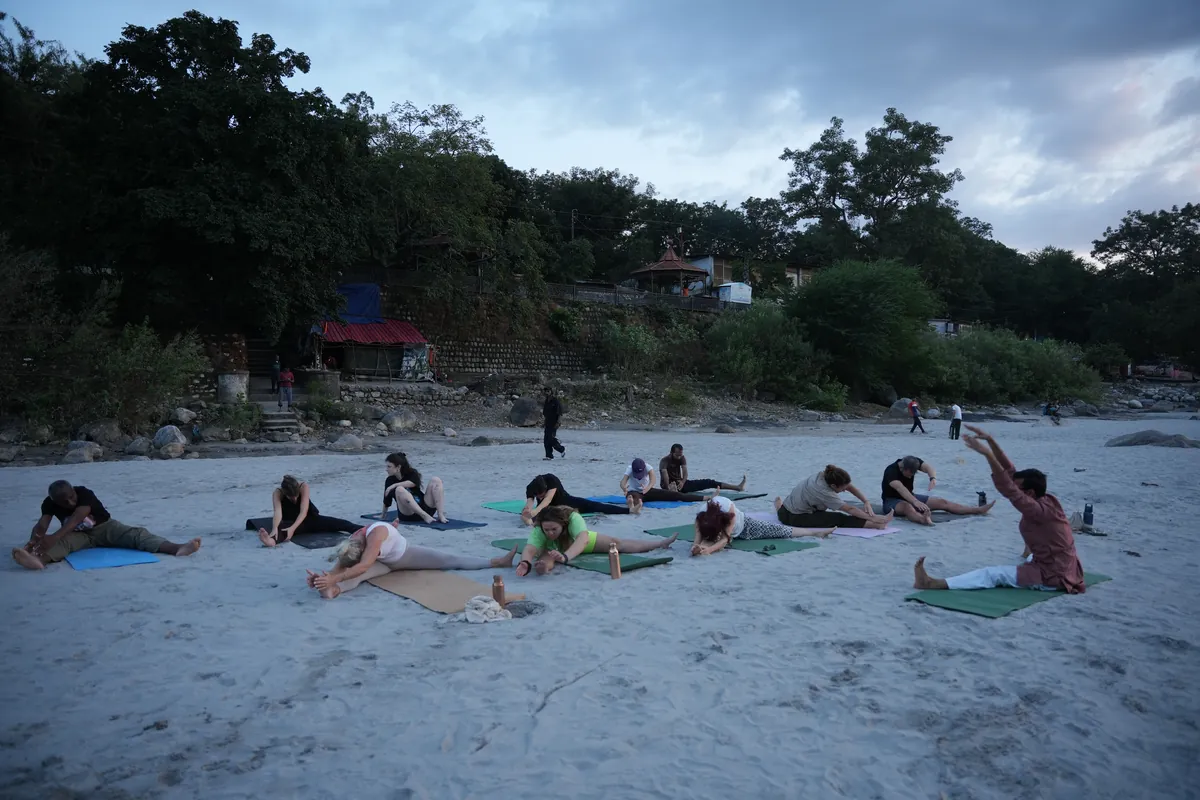
Walk into any leading yoga school in Rishikesh and you will quickly discover that yoga is not a one-size-fits-all discipline. While Ashtanga, Kundalini and Yin all share the goal of connecting mind, body and spirit, their methods could not be more different.
One is a disciplined, sweat-inducing physical meditation. One is an energetic technology of breath and sound. One is a quiet, meditative release of deep connective tissue. If you are considering a teacher training or a retreat, understanding these differences is the key to choosing the right path.
At a Glance: The Key Differences
| Feature | Ashtanga | Kundalini | Yin |
|---|---|---|---|
| Primary focus | Strength, stamina & alignment | Energy & spiritual awakening | Fascia, joints & mindfulness |
| Pace | Dynamic, fast, demanding | Energetic, repetitive kriyas | Slow, passive, restorative |
| Pose duration | 5 breaths per pose | 1 to 7+ minutes per kriya | 3 to 7 minutes, passive hold |
| Key tools | Ujjayi breath, bandhas, drishti | Mantra, pranayama, mudra, chakras | Gravity, bolsters, stillness |
| Best for | Discipline & sweat | Energetic transformation | Stress relief & flexibility |
1. Ashtanga Yoga: The Disciplined Fire
Codified by Pattabhi Jois in Mysore, Ashtanga is a structured, highly disciplined style of Vinyasa. Practitioners move through a set sequence of postures linked by dynamic breath and movement. It feels athletic and meditative through repetition, and you sweat heavily as you build internal heat (tapas).
It rests on three pillars known as Tristhana: Ujjayi pranayama (the victorious ocean breath), bandhas (the internal energy locks, Mula and Uddiyana), and drishti (a focused gazing point). It suits anyone who thrives on routine and physical challenge, and who wants strength, core stability and stamina.
Sri Yoga Ashram runs its accredited 200 Hour Yoga Teacher Training in four specialised streams in Rishikesh: Ashtanga, Kundalini, Yin and Meditation.
2. Kundalini Yoga: The Energy Technology
Often called the yoga of awareness, Kundalini focuses on uncoiling the dormant spiritual energy at the base of the spine and guiding it upward through the seven primary chakras. Classes combine repetitive movement with rapid breathwork (the Breath of Fire), chanting and hand gestures.
These exercises are practised in set repetitive patterns called kriyas. Unlike an alignment class, Kundalini works directly on the nervous and glandular systems and the energetic body. It suits seekers who want to release emotional blockages, deepen meditation and awaken inner energy.
3. Yin Yoga: The Power of Deep Stillness
In stark contrast to the dynamic styles, Yin is slow and receptive, rooted in traditional Chinese medicine and Daoist philosophy. Instead of working the muscles, it targets the deeper connective tissues: the fascia, ligaments, tendons and joints. Poses are mostly floor-based and held passively, without muscular engagement.
You sink into a pose, find your edge, and stay completely still for three to seven minutes while gravity and time gently stretch the fascia and stimulate the flow of prana through the meridians. It suits anyone dealing with stiffness or burnout, athletes needing recovery, and practitioners cultivating patience and mental stillness.
Which Style Should You Study in Rishikesh?
Students often ask us which style to specialise in. The honest answer is that they complement each other beautifully.
- Choose Ashtanga for a strong workout and real muscular strength.
- Choose Yin for the balance of yang (strength) and yin (flexibility).
- Choose Kundalini if you are drawn to energy work, healing and meditation beyond the purely physical.
At Sri Yoga Ashram, on the quiet riverbanks of Laxman Jhula, our teacher training courses cover classical Hatha, Ashtanga Vinyasa, Kundalini energy work and Yin fundamentals, giving you a well-rounded foundation to teach anywhere in the world.
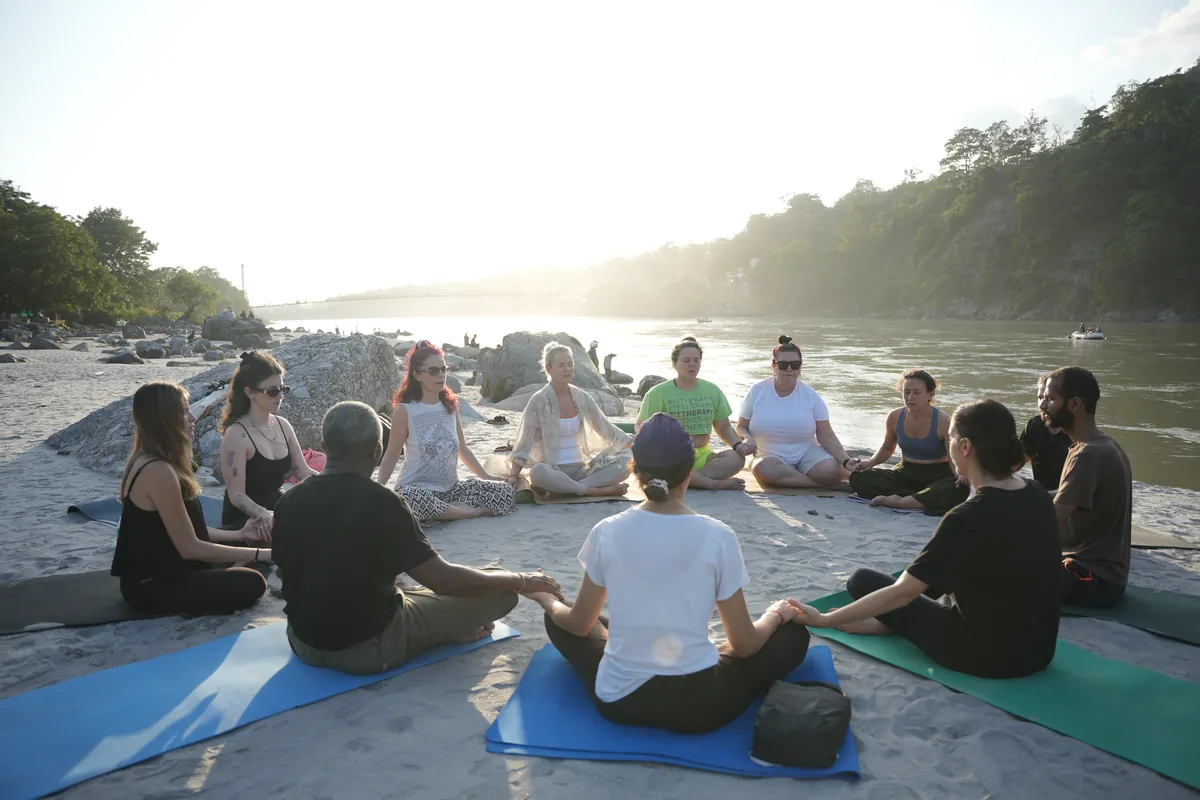
Yoga for mind, body and soul
Breathe, stretch, balance, blossom. Seekers from all over the world practise with us beside Mother Ganga.
Not sure which course fits your budget and level?
Talk to a teacher before you book. You will get a straight answer about which course actually suits you, and no pressure to take it.

