Is Yoga Alliance Certification from India Valid in the USA, UK, Europe, Canada and Australia?
Students from the USA, UK, Europe, Canada and Australia often ask whether a teacher training from India counts back home. Here is the short answer, what RYS and RYT really mean, and what to check before you pay a deposit.

If you are considering travelling to India for Yoga Teacher Training, you may have one important question:
Will my yoga teacher training certificate from India be valid when I return home?
Students from the USA, UK, Europe, Canada and Australia frequently ask this before joining a Yoga Teacher Training course in Rishikesh.
The short answer is:
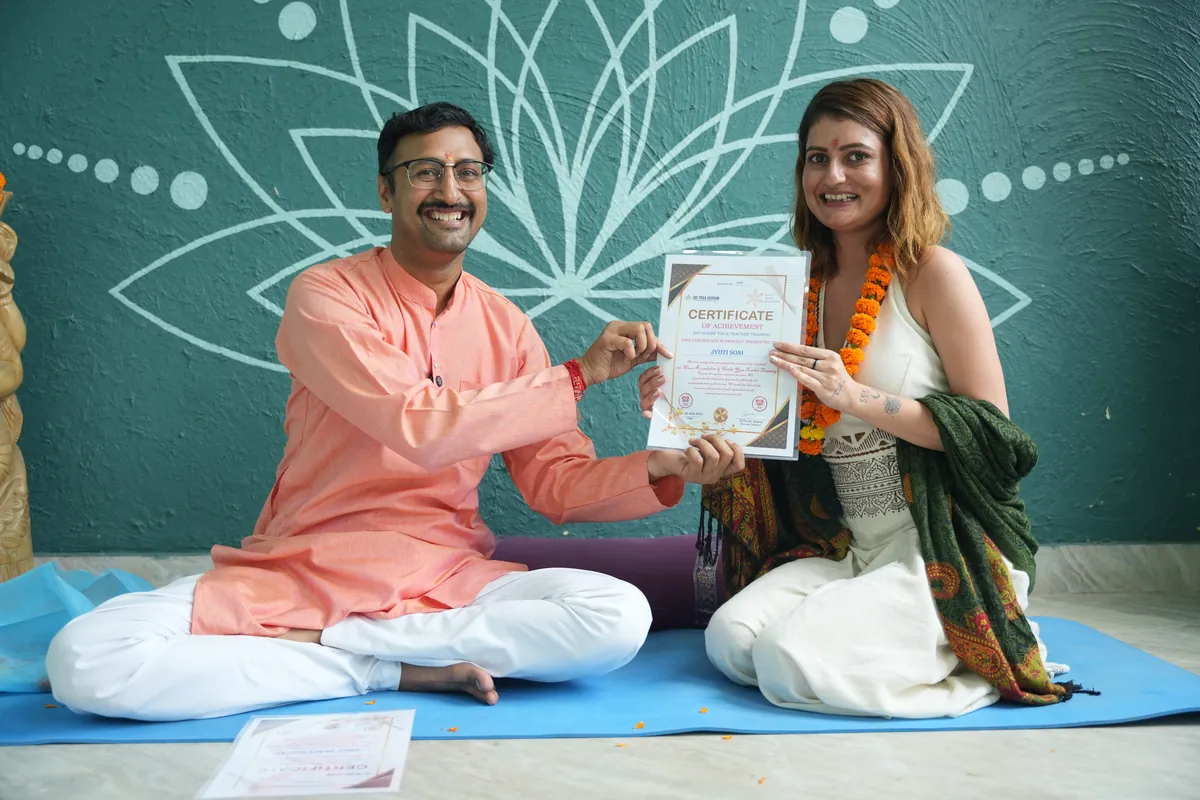
Yes, training completed at an eligible Yoga Alliance Registered Yoga School (RYS) in India can be used within the Yoga Alliance international credentialing system. However, Yoga Alliance registration is not the same as a government teaching licence.
To understand what your qualification actually means, you need to know the difference between RYS, RYT and your course-completion certificate.
What Is Yoga Alliance?
Yoga Alliance is a nonprofit membership and credentialing organisation in the yoga field. It establishes standards for registered yoga schools and maintains professional credentials for qualifying yoga teachers.
Two abbreviations are particularly important:
- RYS = Registered Yoga School
- RYT = Registered Yoga Teacher
They are related, but they are not the same thing.
What Does RYS 200 Mean?
An RYS 200 is a yoga school offering a 200-hour teacher-training programme registered with Yoga Alliance.
When you successfully complete an eligible 200-hour programme at an RYS 200, the school provides a course-completion certificate.
You can then use the appropriate documentation to apply separately for your individual Yoga Alliance registration, subject to Yoga Alliance's current requirements.
In simple terms:
The school is the RYS.
The registered teacher is the RYT.
Completing your training does not automatically turn you into an RYT.
What Is RYT 200?
RYT 200 is an individual Yoga Alliance teacher credential.
After completing qualifying 200-hour training at an eligible Registered Yoga School, graduates who want the individual credential follow Yoga Alliance's registration process.
This is an important distinction because some schools loosely use phrases such as “Yoga Alliance certified.”
Before booking, ask:
“Is this particular teacher-training programme currently registered with Yoga Alliance, and under which RYS designation?”
That is much more useful than simply looking for a logo on the website.
Is Yoga Teacher Training from India Valid Internationally?
The country where you complete your training does not automatically determine whether the training can qualify for a Yoga Alliance pathway.
A qualifying programme completed at a Registered Yoga School in India can provide the training required for the applicable Yoga Alliance registration pathway.
However, the phrase “internationally recognised” needs to be understood correctly.
Yoga Alliance is not a government licensing authority.
Therefore, a Yoga Alliance credential should not be interpreted as a government licence automatically giving you the legal right to work in every country.
Your training may be internationally portable, while individual employers, studios, insurers and local regulations can still have additional requirements.
Can I Teach in the USA, UK, Europe, Canada or Australia?
In general, completing your Yoga Teacher Training in India does not prevent you from using that education when you return home.
However, requirements can differ according to where and how you intend to teach.
- USA: Yoga studios may value or request RYT registration, while individual employers can establish additional requirements. Your yoga qualification is separate from your legal right to work in the United States.
- UK: Studios, gyms and insurers may have their own expectations concerning training, insurance, first aid or professional experience.
- Europe: There is no single professional system covering every European country. Requirements and industry practices may differ between Germany, France, Spain, Italy, the Netherlands and other countries.
- Canada: Studios, fitness facilities and insurers may establish their own professional requirements in addition to your yoga training.
- Australia: Individual studios, employers and insurers may similarly have their own expectations concerning qualifications and professional practice.
Therefore, if you already know where you intend to teach, it is sensible to check with potential employers or insurers before choosing your training.
What Does "Internationally Recognised Yoga Certification" Really Mean?
This phrase appears on many yoga-school websites.
A more accurate way to understand it is that your training belongs to a credentialing framework used by yoga professionals in multiple countries.
It does not mean:
“Every government, employer, yoga studio and insurance company in every country must accept this certificate.”
A trustworthy yoga school should explain this distinction rather than make unrealistic promises.
Yoga Training Certificate vs RYT Registration
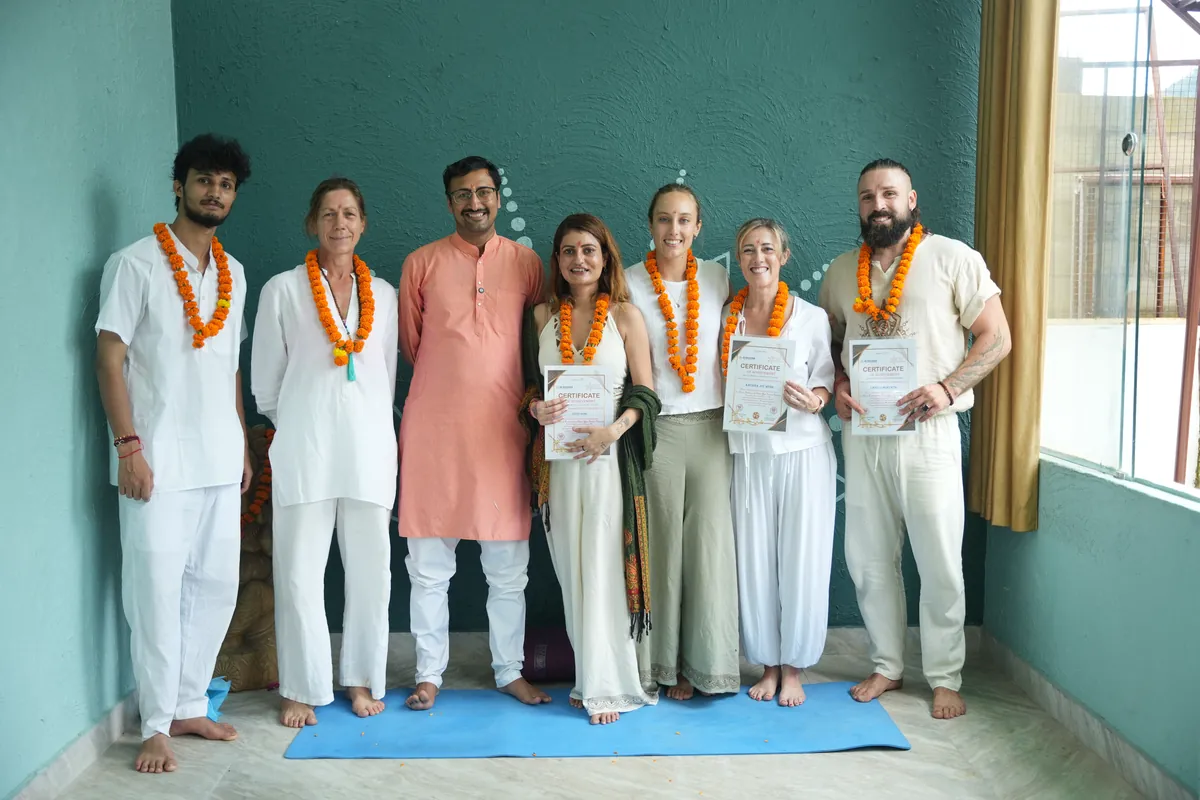
After successfully completing your teacher training, the school issues your course-completion certificate.
That certificate is not the same as individual RYT registration.
If you want to become an RYT, you follow Yoga Alliance's applicable registration procedure after completing your qualifying training.
So remember:
Course-completion certificate ≠ automatic RYT registration.
This is one of the most common misunderstandings among international yoga students.
What Is the Difference Between 200, 300 and 500 Hours?
200-Hour Yoga Teacher Training
A 200-hour YTT is generally the foundational teacher-training level.
Students study subjects such as asana, pranayama, meditation, philosophy, anatomy, alignment and teaching methodology.
For most new teachers, this is the starting point.
300-Hour Yoga Teacher Training
A 300-hour YTT is advanced teacher education designed to build upon foundational training.
It allows students to deepen their practice, knowledge and teaching skills.
500-Hour Yoga Teacher Training
A 500-hour pathway represents more extensive teacher education.
Depending upon the applicable Yoga Alliance pathway, this may involve completing an eligible 500-hour programme or combining appropriate 200-hour and 300-hour training.
More hours represent deeper education, but a 500-hour qualification does not make a genuine 200-hour training “invalid.”
Think of them as different levels of professional development.
Does Yoga Alliance Registration Guarantee a Good Yoga Teacher?
No credential alone can guarantee that.
A teacher-training certificate demonstrates that you completed a programme. Becoming an effective teacher also requires:
Personal practice, teaching experience, continued education, communication skills, ethical behaviour and the ability to understand different students.
A 200-hour training should therefore be viewed as a foundation, not the end of your yoga education.
This is one reason choosing the right school matters more than simply choosing the cheapest certificate.
Is Training in India Different From Training at Home?
From a credentialing perspective, the important factors are the school, programme and applicable standards.
From an educational and personal perspective, however, studying yoga in India can be very different.
Rishikesh provides an environment where yoga extends beyond the classroom.
Students can experience Indian philosophy, Sanskrit terminology, meditation, the Ganga, temples, traditional practices and residential ashram life while studying alongside people from many countries.
Instead of fitting a yoga course around your everyday life, your everyday life temporarily becomes centred around yoga.
For many international students, that immersion is one of the main reasons for travelling to India.
Is Every Yoga School in Rishikesh Yoga Alliance Registered?
No.
Rishikesh has hundreds of yoga teachers, schools, ashrams and training programmes.
If Yoga Alliance eligibility matters to you, do not assume that every school offering a “200-hour certificate” has the same registration status.
Before paying your deposit:
Check the school's current registration.
Confirm that the specific programme you are taking falls under the relevant registered training track.
Ask what certificate you receive after successful completion.
Understand whether you need to apply separately for individual RYT registration.
And check what studios or insurers in your home country expect.
These few checks can prevent misunderstandings later.
Do I Need Yoga Insurance or First-Aid Certification?
Possibly.
Your Yoga Teacher Training certificate and professional insurance are different things.
Depending on where you teach, an employer or studio may ask you to carry professional liability insurance. Some organisations may also expect separate first-aid or CPR training.
These requirements vary, so check the professional standards applicable where you intend to work.
Your yoga certificate establishes your yoga education. It does not automatically replace every other professional requirement.
Yoga Teacher Training at Sri Yoga Ashram
Sri Yoga Ashram in Rishikesh is a Yoga Alliance Registered Yoga School, with registered teacher-training pathways.
Our residential Yoga Teacher Training programmes are intentionally kept relatively small, generally around 10–12 students, allowing greater interaction between teachers and students.
Depending on the programme, training can include:
- Hatha Yoga
- Ashtanga Yoga
- Kundalini Yoga
- Pranayama
- Meditation
- Yoga Philosophy
- Anatomy
- Alignment
- Teaching Methodology
Students stay at the ashram during their training, with accommodation and vegetarian meals available as part of the residential experience.
But we believe the certificate should be the result of your education, not the sole purpose of it.
When you leave Rishikesh, the important question is not simply whether you possess a certificate.
It is whether you understand yoga more deeply and feel capable of sharing what you have learned responsibly.
Frequently Asked Questions
Is a Yoga Alliance certificate from India valid in the USA?
Qualifying training completed at a Yoga Alliance Registered Yoga School in India can support the applicable Yoga Alliance registration pathway. However, Yoga Alliance registration is not a US government teaching licence, and employers may have additional requirements.
Is Indian yoga teacher training recognised in the UK?
Training completed in India can form part of your professional yoga education in the UK. Individual studios, employers and insurers may have their own requirements.
Is Yoga Alliance certification valid in Europe?
Yoga Alliance credentials are used internationally, but Europe does not have one single professional system governing yoga teaching in every country. Check the requirements of the country where you intend to teach.
Can I teach yoga in Canada or Australia after training in India?
Your Indian training can provide your yoga teacher education, but studios, employers and insurers may establish additional requirements. Check these before beginning professional work.
Does completing a 200-hour YTT automatically make me an RYT 200?
No. Completing eligible training provides the educational basis for the relevant Yoga Alliance pathway. Individual RYT registration is a separate process.
Is RYT 200 the same as RYS 200?
No. RYS 200 refers to the Registered Yoga School/training programme, while RYT 200 refers to the individual Registered Yoga Teacher credential.
Is 200 hours enough to become a yoga teacher?
A good 200-hour programme provides a foundation for teaching. Your development should continue through personal practice, teaching experience, further study and mentorship.
The Most Important Question Before Choosing Your YTT
If you are travelling from the USA, UK, Europe, Canada or Australia for Yoga Teacher Training in India, don't ask only:
“Will I get an internationally recognised certificate?”
Also ask:
- Who will teach me?
- What will I actually learn?
- How large will my class be?
- How much practical teaching will I do?
- Is the programme properly registered?
- Will I receive individual feedback?
A certificate matters, especially if you intend to teach professionally.
But ultimately, your future students will not experience your certificate.
They will experience your teaching.
Choose a training that prepares you for that responsibility.
Sri Yoga Ashram is registered with Yoga Alliance as RYS 200, RYS 300 and RYS 500. See dates and fees for the 200 Hour, 300 Hour and 500 Hour teacher trainings.
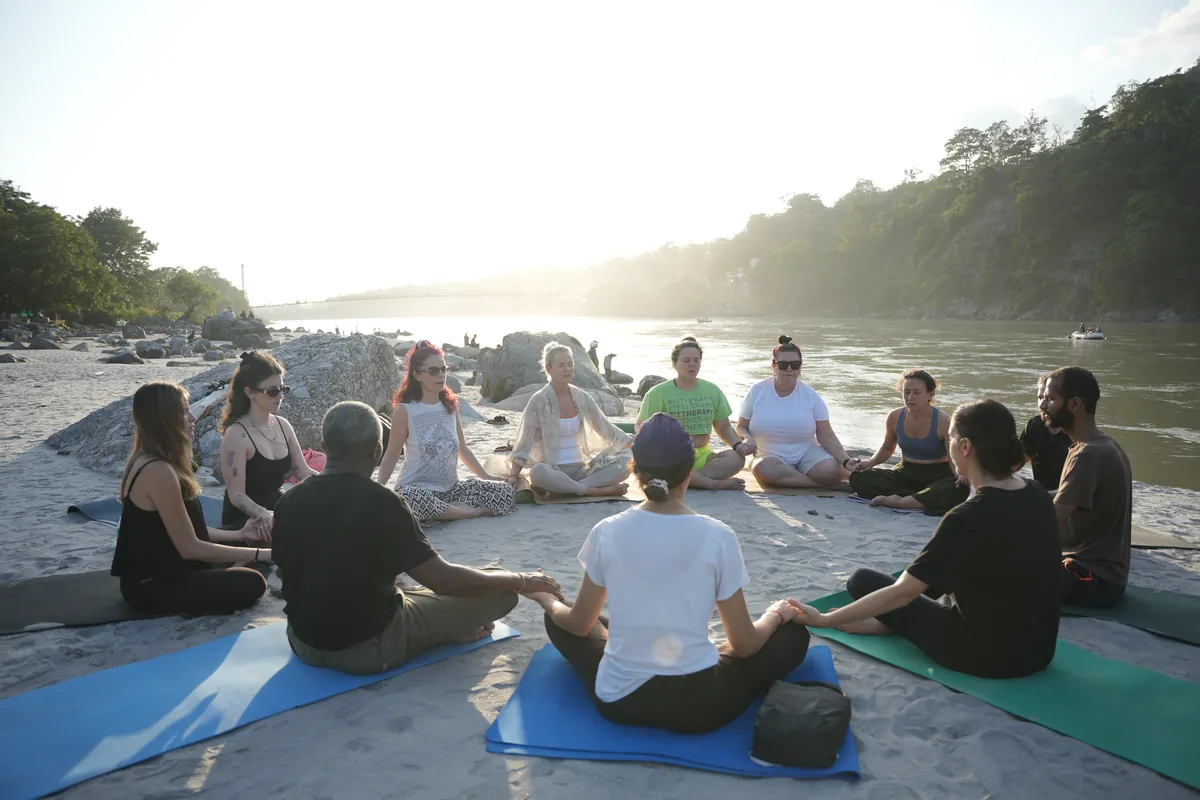
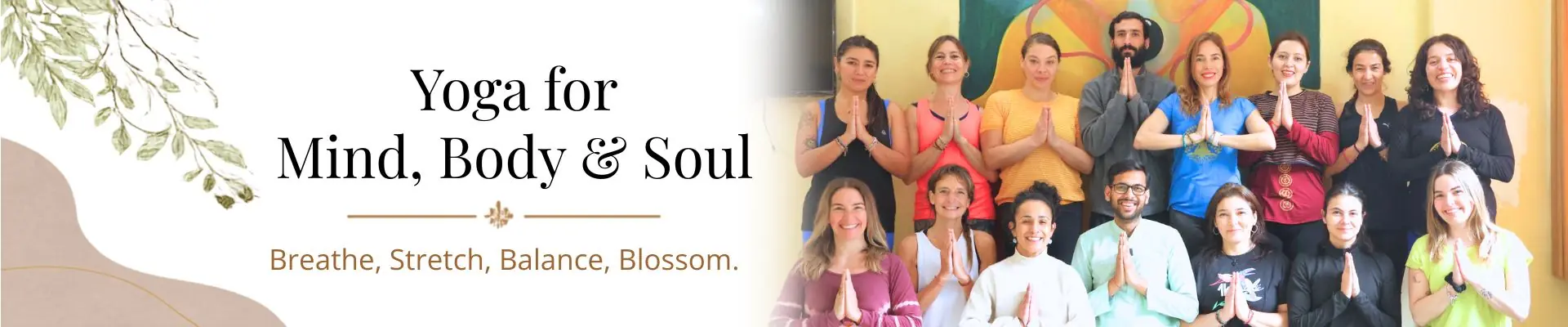
Yoga for mind, body and soul
Breathe, stretch, balance, blossom. Seekers from all over the world practise with us beside Mother Ganga.
Not sure which course fits your budget and level?
Talk to a teacher before you book. You will get a straight answer about which course actually suits you, and no pressure to take it.

